
0.90 ₾ - 1.00 ₾
pcSMIRDEX 330 Duroflex Velcro Disc, 125 mm, No Holes
SMIRDEX ·G1054In stockChoose a variant59 products
SMIRDEX 330 Duroflex Velcro Disc, 125 mm, No Holes
SMIRDEX ·G1054In stockChoose a variant
SMIRDEX 270 Wet and Dry Sandpaper, 230x280 mm
SMIRDEX ·G1002In stockChoose a variant

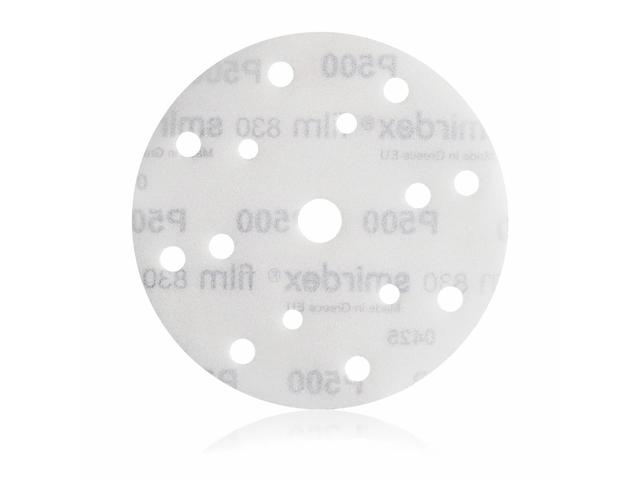
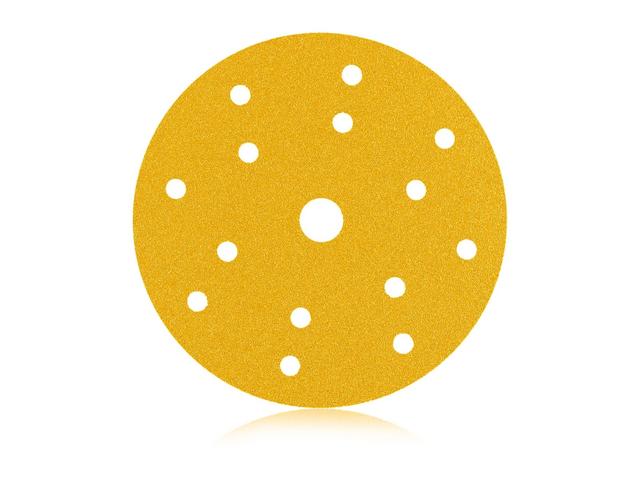
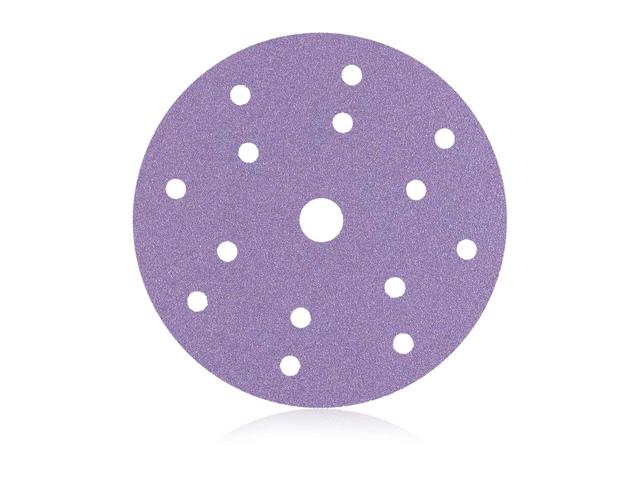
SMIRDEX 740 Ceramic Velcro Disc, 150 mm, 17 Holes
SMIRDEX ·G1045In stockChoose a variant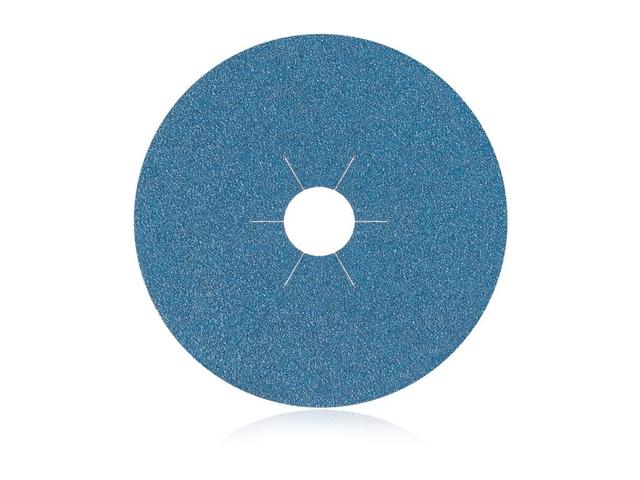
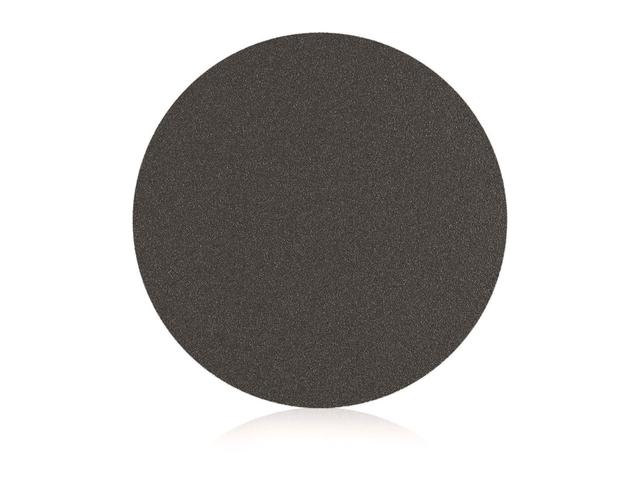
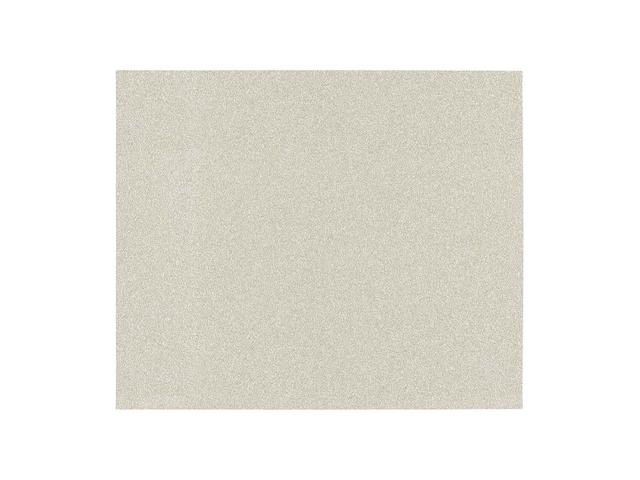
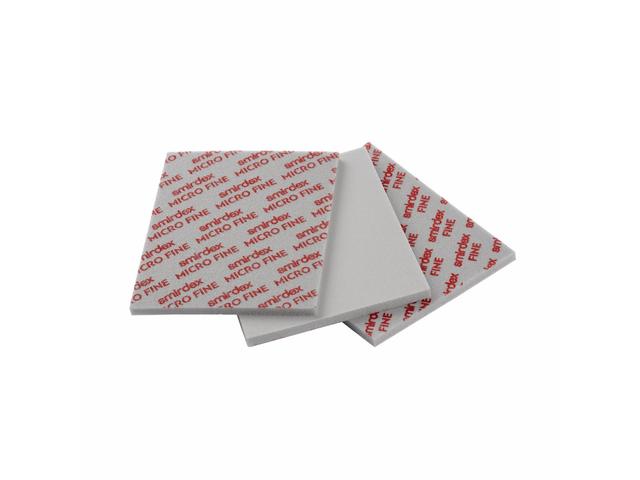
Sandpaper is an abrasive used to rub a surface down: to strip old paint, level filler and prepare the surface between coats. The key figure is the grit, written as a P number. The lower the number, the coarser the paper: P80-P120 for rough sanding of filler, P180-P320 for levelling filler and primer, P400-P800 for flatting primer before paint, and P1000-P3000 for sanding clear coat before polishing. Every size is in the sandpaper subcategory.
Waterproof sheets and sanding sponges suit work by hand: a sponge follows curved surfaces and does not cut through edges. Orbital sanders take hook-and-loop discs that stick to the pad and pass dust through their holes; a soft interface pad between pad and disc helps on curved parts. Cutting and grinding metal on an angle grinder needs separate grinding and cutting discs, from 115 to 230 mm. Hand sanding blocks, interface pads and guide coat powder are under accessories.
Dry sanding is fast and done by machine, with dust pulled away by extraction or through the disc holes. Wet sanding is for fine grits on clear coat and paint: the water keeps the paper from clogging and leaves a flatter surface. It needs waterproof paper. Guide coat powder is dusted thinly over the surface before sanding and shows where hollows remain: wherever powder is still visible, keep sanding. Always wear a respirator and goggles when sanding.