
Polishing
10 products
- All
- Price: high to low
- Price: low to high
- A-Z
- Z-A
- Recently added
Polishing in the catalogue
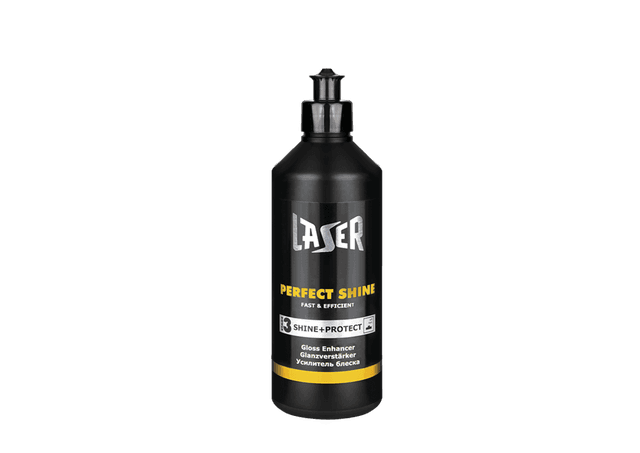
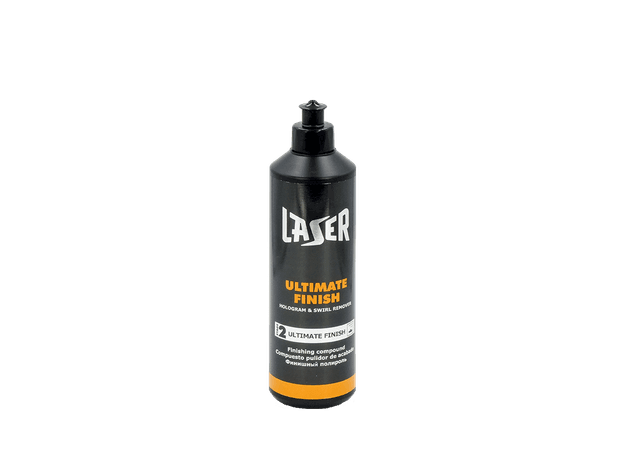
What polishing is and what it does
Polishing is the fine treatment of the top layer of clear coat: it removes scratches, dull patches and swirl marks and brings back a mirror shine. Car polishing is the most common job: after fresh clear coat, dust nibs and orange peel are levelled, and aged clear coat is refreshed. Headlight polishing restores clarity to yellowed plastic. The same compounds and pads work on wood lacquer and gelcoat.
Polishing compound and pads
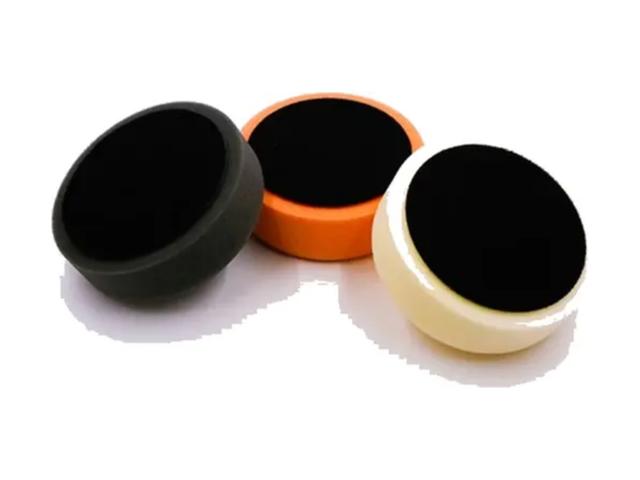
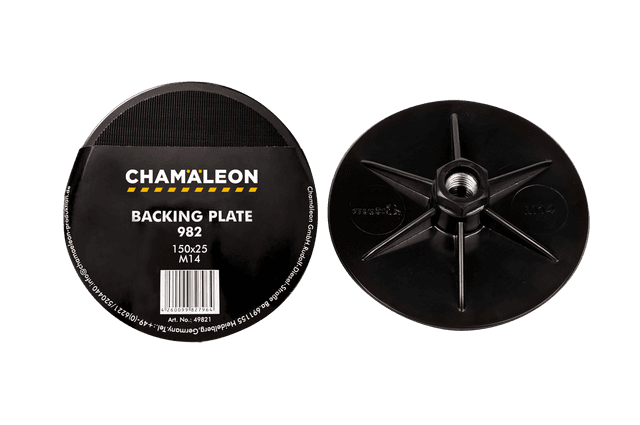
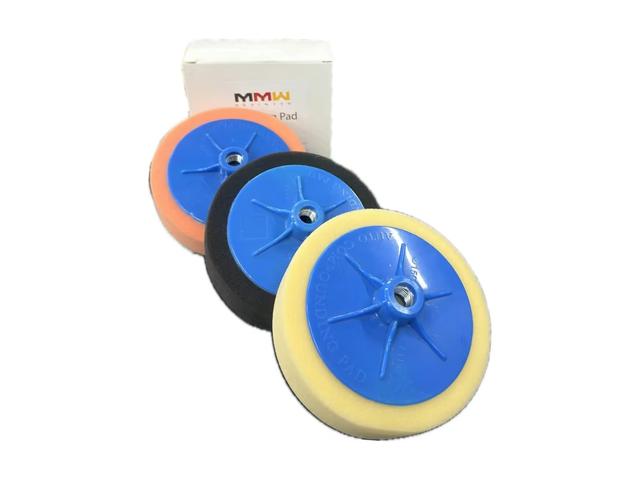
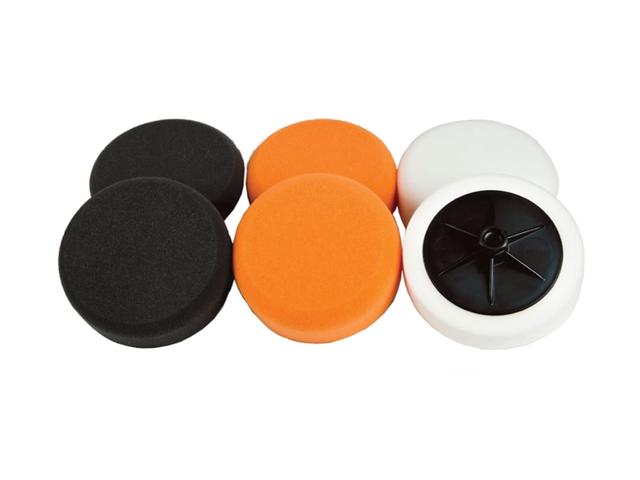
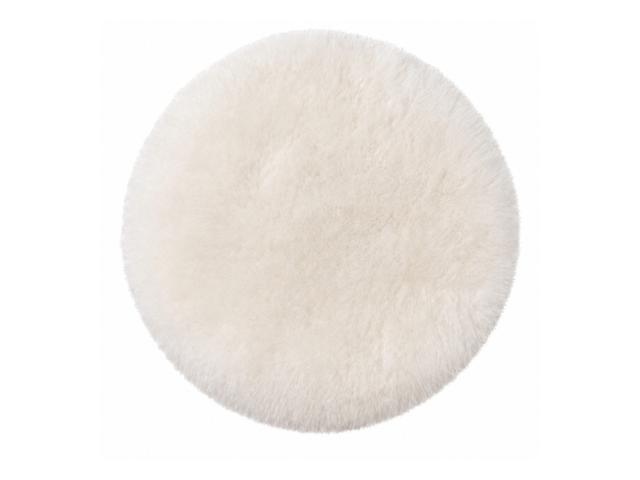
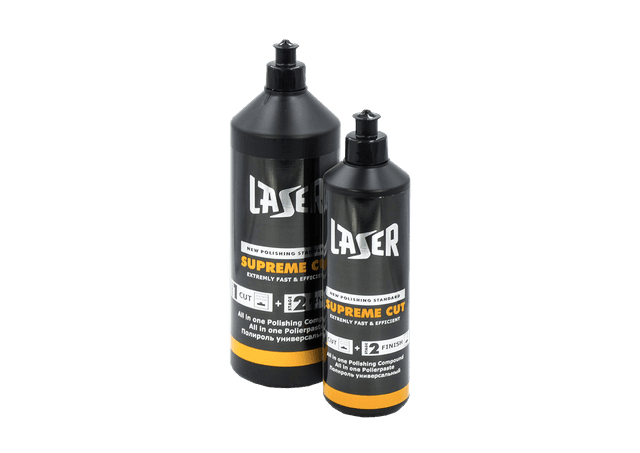
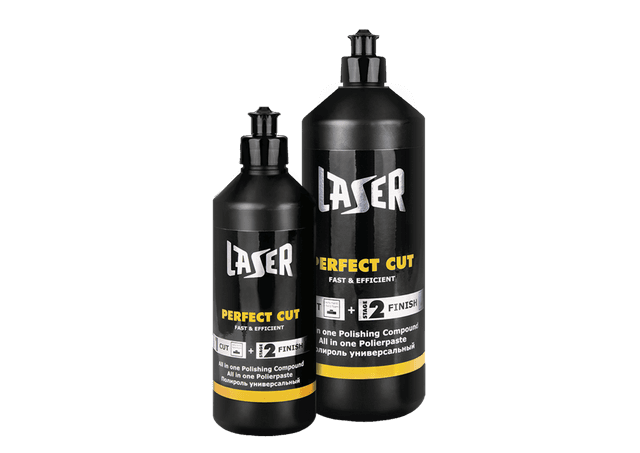
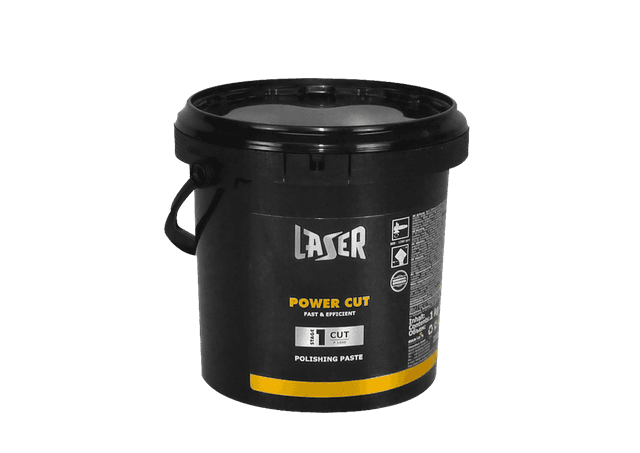
Polishing compounds differ in how abrasive they are. A coarse cutting compound removes scratches and P1500-P3000 sanding marks, a medium compound builds gloss, and a finishing compound clears holograms and fine swirls. Each compound has its matching polishing pad: very hard and hard pads for cutting compound, a soft pad for the finish. The pad hooks onto a backing plate, and the plate onto the polisher. Residue is wiped off with a soft cloth.
How a car is polished
The surface is washed and degreased first, and deep scratches and dust nibs are wet-sanded with a fine grit. The compound goes on the pad and is worked with the polisher at low speed over small areas without overheating the surface. After every step the residue is wiped off and the result is checked in good light. Finally a wax goes on so the shine lasts.
Frequently asked questions
What is polishing?
Polishing is the fine treatment of the top layer of clear coat with a compound and a pad. It removes scratches, dull patches and swirl marks and brings the shine back.
How is a car polished?
The surface is washed and degreased, deep scratches are wet-sanded with a fine grit, then cutting, medium and finishing compounds are worked on their own pads at low speed. Wax goes on last.
How do I polish headlights?
A yellowed headlight is wet-sanded from P800 up to P3000, then polished with a cutting and a finishing compound. To stop it yellowing again, the headlight gets a clear coat, which is in the varnishes category.
How much does polishing cost?
We sell the materials: compound, pads and sandpaper. One car often takes one tub of compound and two or three pads; the price is on every product card. Service prices are set by the workshop.