
Fillers
21 products
- All
- Price: high to low
- Price: low to high
- A-Z
- Z-A
- Recently added
Fillers in the catalogue
3.70 ₾ - 10.00 ₾
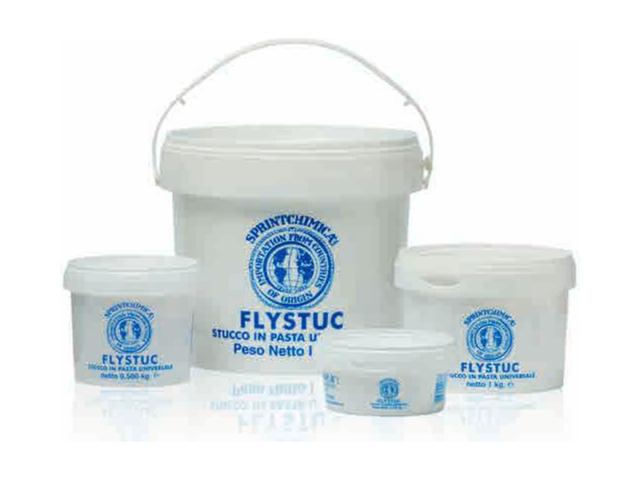
pcSPRINTCHIMICA FLY STUC Wood Filler
SPRINTCHIMICA ·G1186In stockChoose colour and size
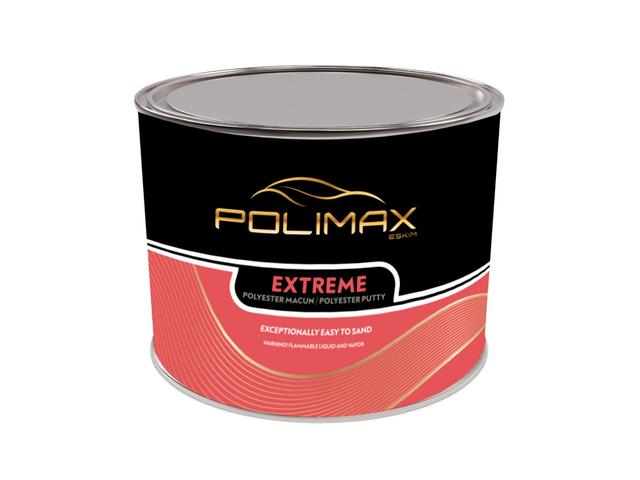
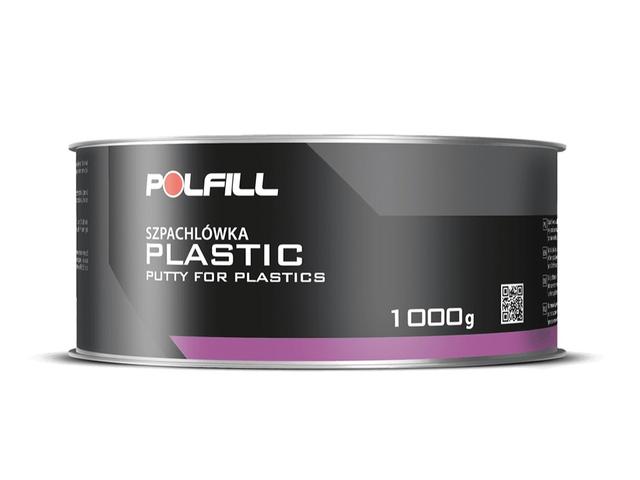
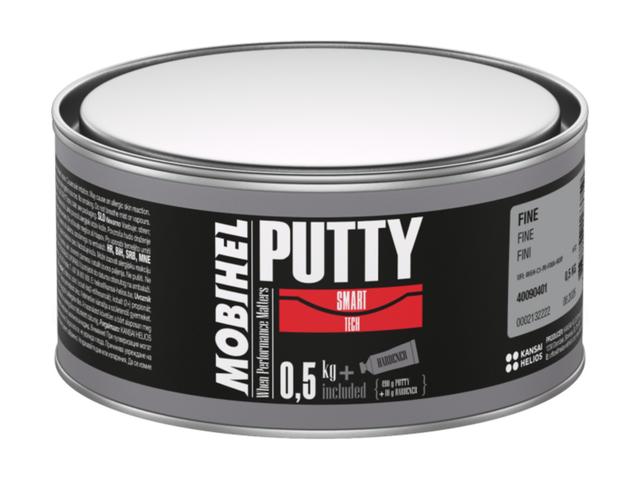
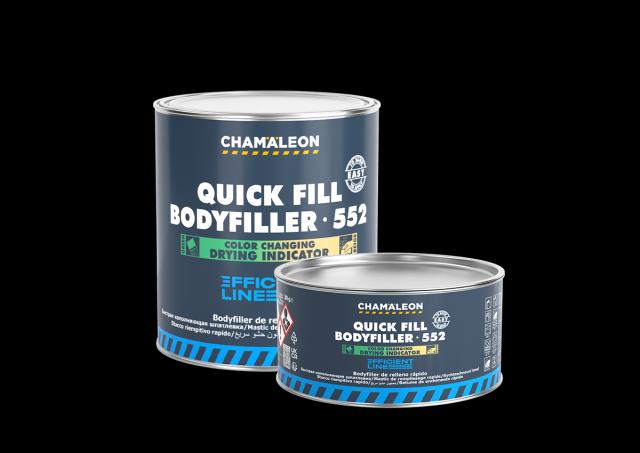
What a filler is and which one to choose
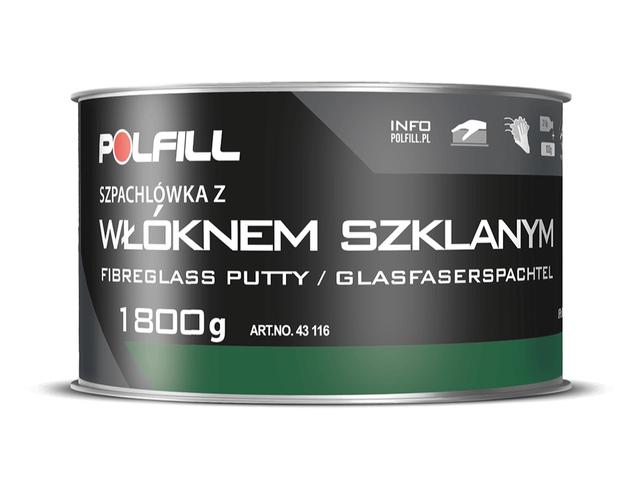
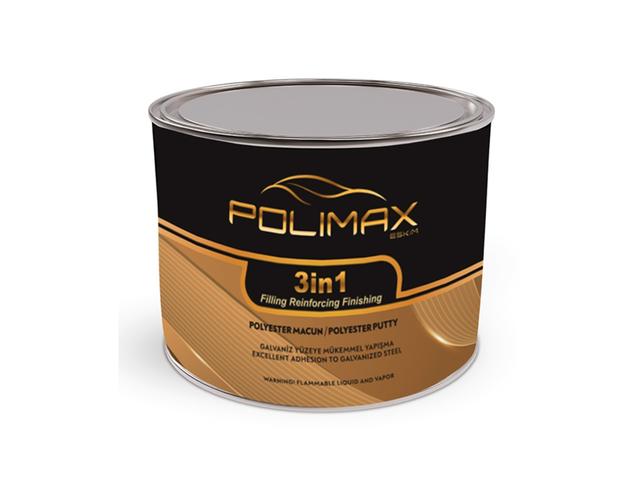
Filler, often called putty, fills dents, cracks and unevenness so the surface is flat before painting. In car repair the choice depends on how deep the damage is. Deep repairs call for a fibreglass filler: the fibres give it strength and it does not sink. Medium unevenness is covered by a universal filler, including lightweight types that sand easily. Fine pores and sanding marks are closed by a finishing putty, including liquid and nitro putty that goes on thinly with a brush or spray gun.
Plastic, metal and wood fillers
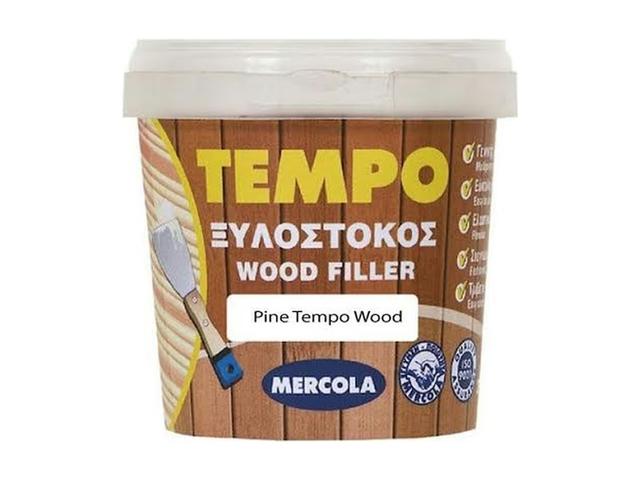
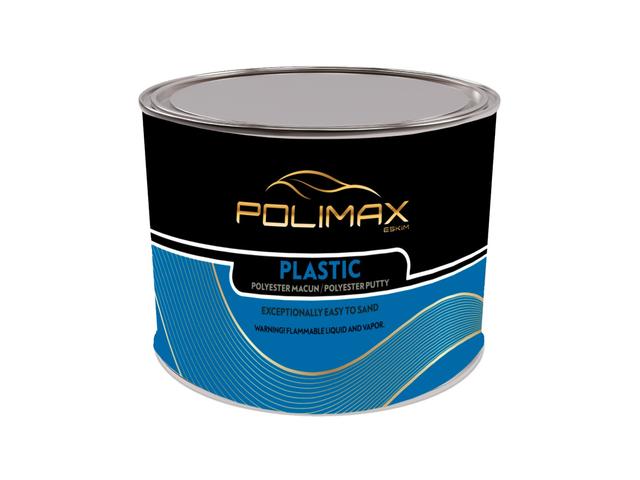
Every material has its own filler. A car bumper and other plastic parts flex, so they take a plastic filler that stays flexible and does not crack off; an aluminium-filled filler stands up to heat on metal. Wood filler comes in wood shades, oak, pine, walnut, mahogany and more, so the repair does not show under the lacquer. Wood fillers have their own subcategory.
How to apply filler
A two-component filler is mixed with its hardener, usually 2-3 parts per 100, and starts to set within minutes, so mix small batches. Keep each layer thin: several thin layers dry better and crack less than one thick one. Once cured, sand with a coarse grit first and a fine one after, and only then prime and paint. Filler only bonds to a clean, grease-free, sanded surface.
Frequently asked questions
What is putty?
Putty is the everyday name for filler: a paste that fills dents, cracks and unevenness before painting. We carry automotive fillers, fibreglass, universal, finishing and plastic, and wood filler in wood shades.
Which filler should I use on deep damage?
Deep hollows need a fibreglass filler, which is strong and does not sink. A universal filler goes on top and a finishing putty last, to close the fine pores.
How do I apply filler properly?
Mix the filler with its hardener in small batches, apply thin layers and sand each layer once it has cured. A thick layer dries badly and cracks. Primer and paint go only on a sanded surface.
How much does filler cost?
The price depends on the type and the pack size: wood filler and finishing putty cost less, fibreglass and plastic fillers more. The price is on every product card and the filter sorts by price.