
8.40 ₾ - 13.90 ₾
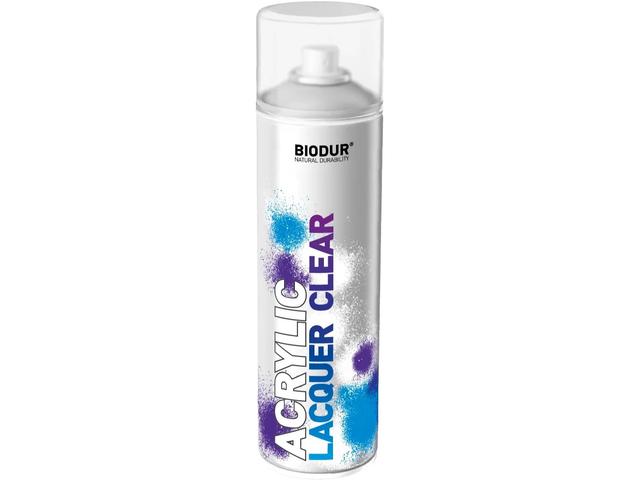
pcBIODUR Gloss Acrylic Clear Lacquer Spray, 400 ml
BIODUR ·G1127In stockChoose a size66 products
BIODUR Gloss Acrylic Clear Lacquer Spray, 400 ml
BIODUR ·G1127In stockChoose a size
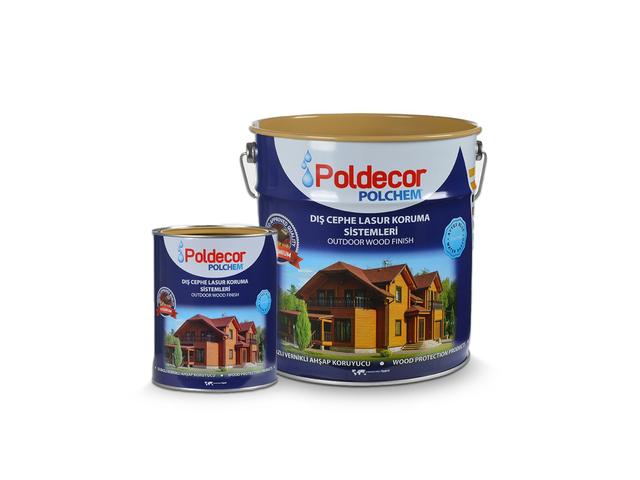
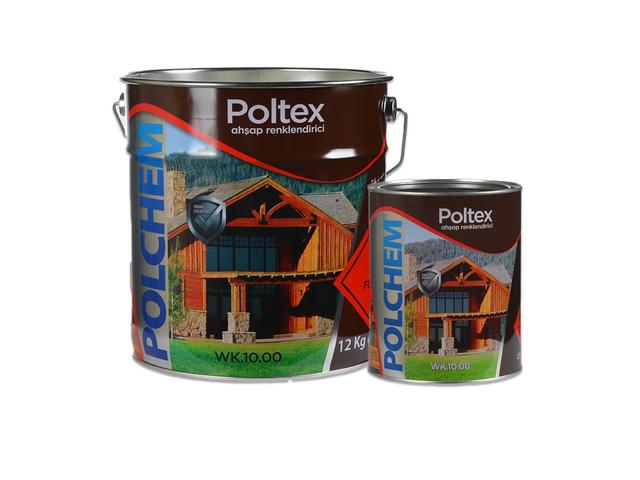
POLCHEM POLTEX Synthetic Protective Wood Stain
POLCHEM ·G1133In stockChoose a colour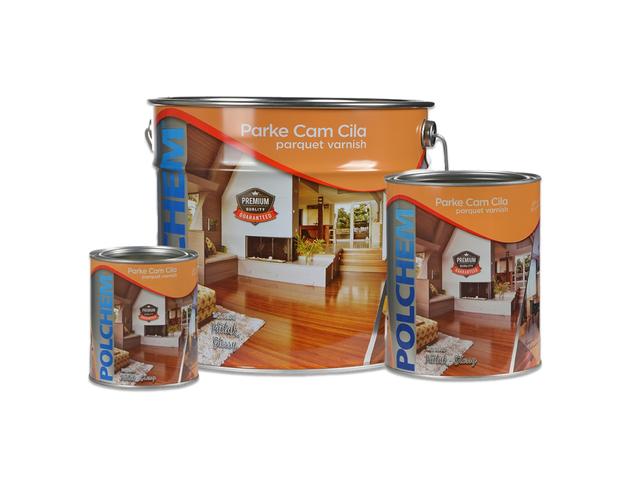
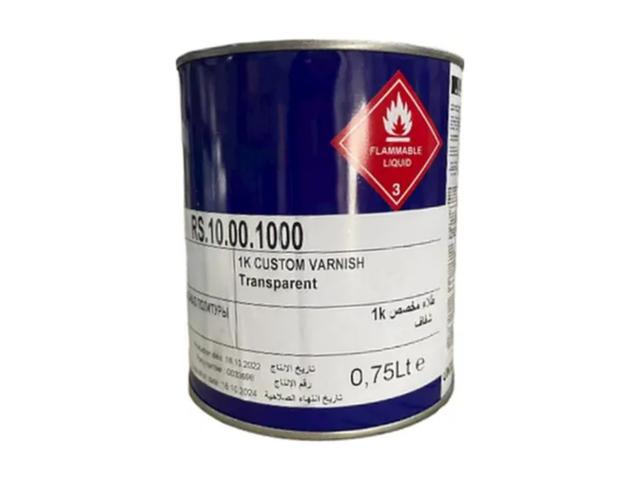
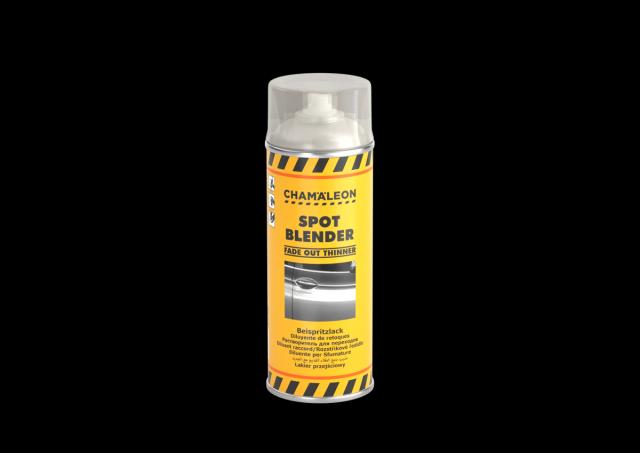
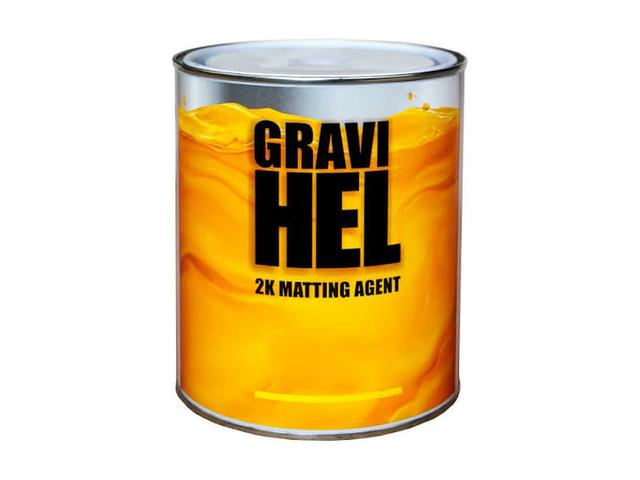
Clear coat protects the paint and sets the gloss level. Cars take a two-component HS or UHS clear coat: it cures with a hardener, resists scratches and does not yellow in the sun. It comes in gloss, semi-gloss and matt, and a matting agent takes a gloss clear down to the sheen you need. There is a separate clear coat for headlights and plastics, and for small repairs a spray clear coat and a blender that melts the new coat into the old one. Parquet and wooden furniture take a polyurethane lacquer in gloss or matt. Every option is in the clear coats subcategory.
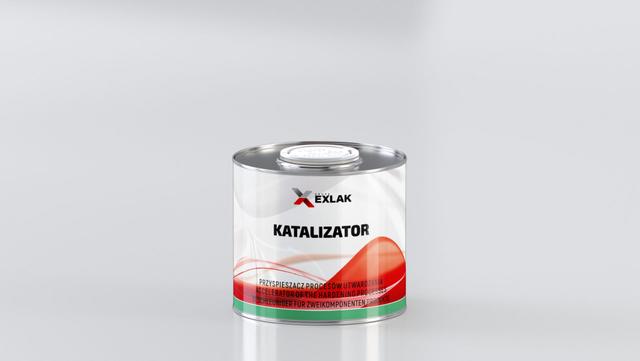
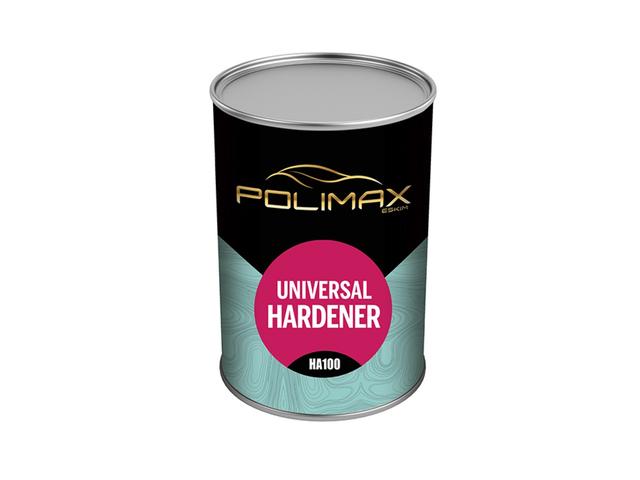
A two-component clear coat only works with its hardener: it starts the chemical reaction that cures the film. The hardener has to match the clear coat system and is also chosen by speed: fast in cold weather and on small parts, normal or slow in heat and on large panels so the coat has time to flow out. The ratio is on the label, for example 2:1, and getting it wrong leaves the film soft or brittle. Mixed clear coat has a limited working time, so mix only what you will use in one go. Matching hardeners are in their own subcategory.
Lacquer builds a hard film on the wood and keeps water and scratches away, which is why floors and stairs get a parquet lacquer. Wood oil soaks into the fibres, keeps the texture and gives a natural look; a worn spot is simply re-oiled without sanding the whole surface. Each use has its own oil: food-safe linseed or paraffin oil for kitchen tops and chopping boards, tung oil for tables, weatherproof terrace oil for decking, teak oil for garden furniture. See oils and waxes.