
Adhesives and Sealants
12 products
- All
- Price: high to low
- Price: low to high
- A-Z
- Z-A
- Recently added
Adhesives and Sealants in the catalogue
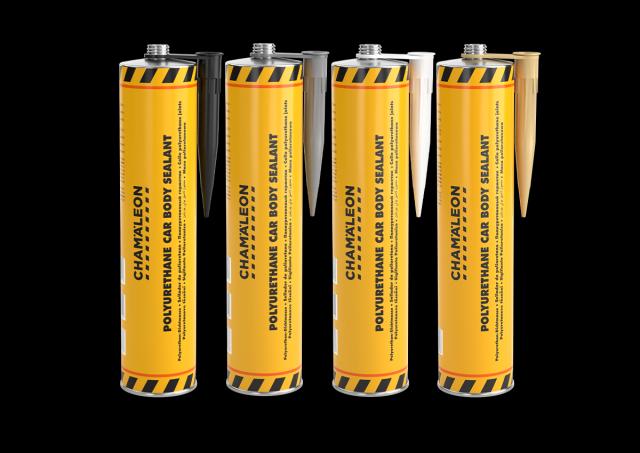
17.80 ₾ - 19.85 ₾
pcChamaleon Polyurethane Body Sealant, 310 ml
CHAMALEON ·G1084In stockChoose a colour
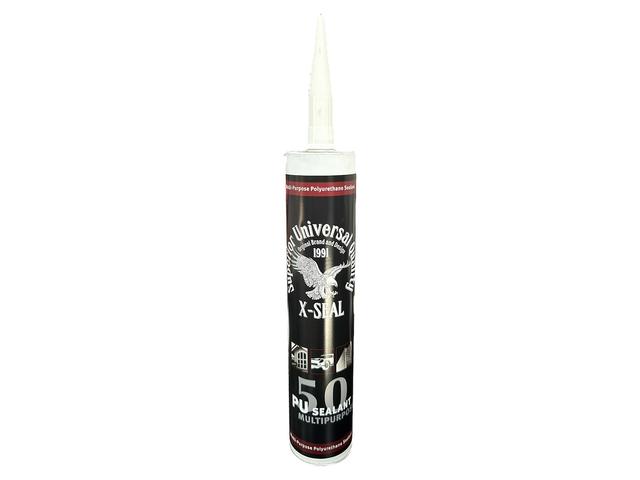
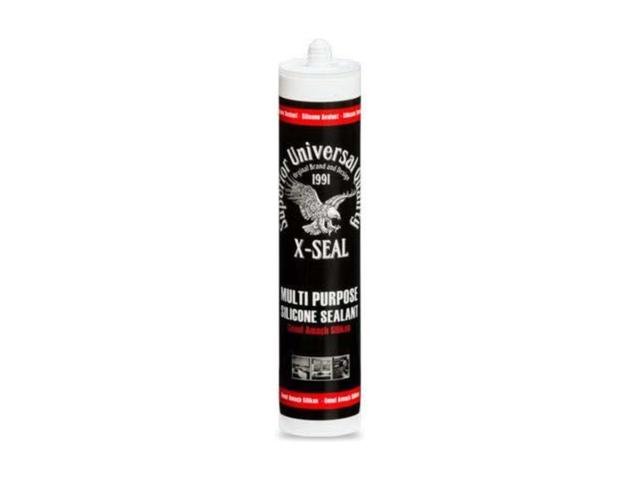
Silicone and polyurethane sealant
A sealant fills joints and gaps and keeps water and air out. Clear silicone is the most universal: for glass, ceramic and metal joints indoors and out. Aquarium silicone stands up to permanent contact with water and is harmless once cured. Car body seams and joints take a polyurethane sealant: it stays flexible, resists vibration and, unlike silicone, can be painted over. Every type is in the sealants and silicones subcategory.
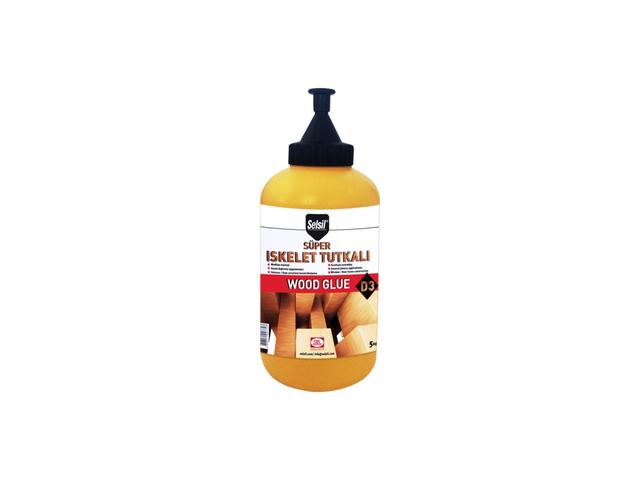
Wood glue and mounting adhesive
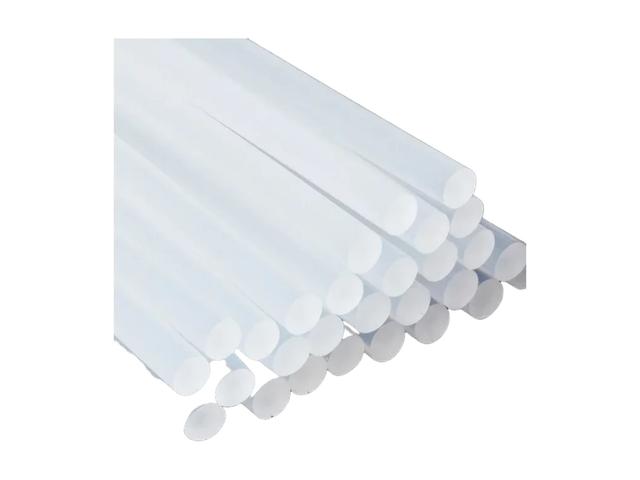
Wood glue is for furniture and joinery: a D3 class glue copes with damp indoor rooms and is the usual choice in furniture making, in packs from 500 g to 30 kg. A polyurethane D4 mounting adhesive is waterproof, bonds wood, metal and stone to each other and copes with outdoor work. For MDF there is a two-component glue that sets fast. Hot glue sticks are for a glue gun, on cardboard and light materials. Pick by material in the adhesives subcategory.
Mounting foam
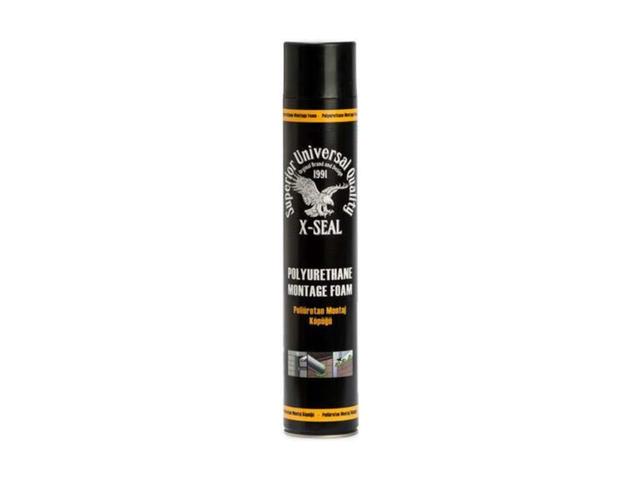
Mounting foam fills the gap around door and window frames, insulates and dampens sound. Gun foam goes on more precisely and expands less; straw foam needs no gun and suits small jobs. Foam cures with moisture, so lightly wet the surface first. Once set, trim the excess with a knife and cover it with filler or paint, because sunlight breaks foam down.
Frequently asked questions
How do I apply silicone properly?
Clean and dry the surface, tape the edges of the joint with masking tape, run the silicone evenly with a gun and smooth it with a wet finger or spatula before it skins over. Remove the tape right away.
How long does silicone take to dry?
The surface stops being tacky in 15-30 minutes and the bead cures fully in about a day, roughly 24 hours per 2-3 mm of depth. The exact time is on the label and depends on temperature and humidity.
How do I remove old silicone?
Cut the old bead away with a knife or a spatula, then soften the residue with thinner or a silicone remover and wipe it off. New silicone only bonds to a clean, dry surface.
Which wood glue is best?
For furniture and indoor joinery a D3 class wood glue is enough. For outdoor work and for joining different materials choose a polyurethane D4 glue. Clamp the joint while it dries.