Blog · · 3 min read
What Acrylic Paint Is and Where to Use It
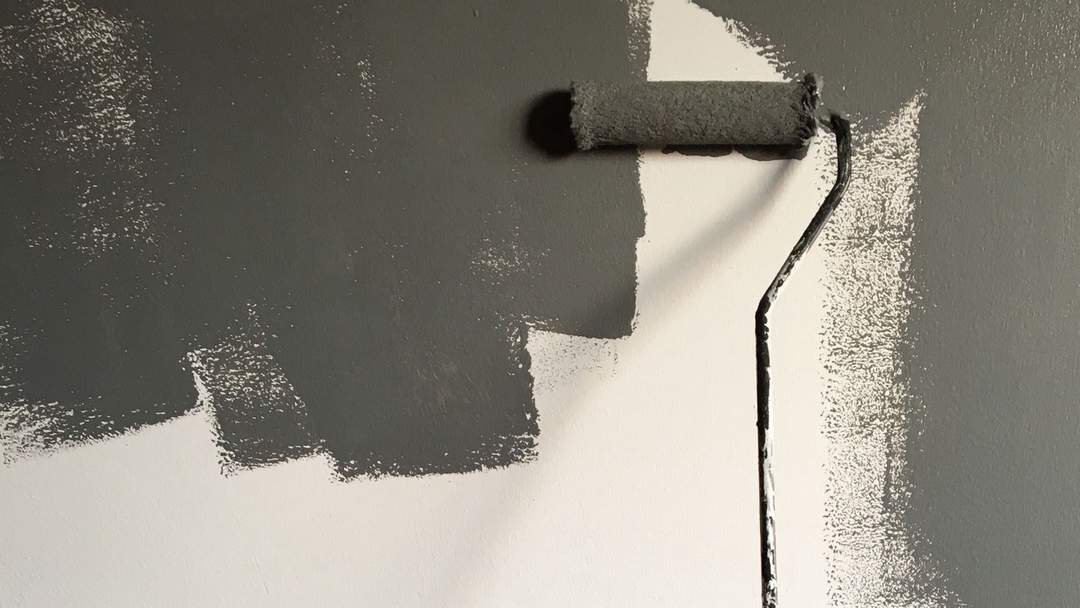
Acrylic paint is paint whose binder is acrylic resin. In the tin the resin is dispersed in water as tiny particles. As the water evaporates, the particles fuse into a firm, flexible film that no longer dissolves in water. That is why a wet brush washes out in water, while a dry wall stands up to rain.
Why it became the most common paint
It dries fast. It is touch dry in about an hour, and the second coat goes on within a few hours. Synthetic paint needs a day.
It hardly smells. Water evaporates instead of solvent, so you can live in the room on the day you paint.
It does not yellow. Acrylic resin withstands sunlight and UV, and white stays white for years. Synthetic paint gradually yellows, especially out of the light.
It is flexible and breathes. The film stretches slightly with the surface and lets vapour through, so on a facade moisture does not stay in the wall and blister the paint.
One name, three different paints
The word "acrylic" on a tin refers to the resin family, not to whether the paint is water-based.
Water-based acrylic paint is the paint for walls, facades and interior wood. This is what people mean when they ask about "acrylic paint".
Acrylic spray and enamel are solvent-based: they dry fast and cover metal, wood and plastic over small areas.
2K automotive acrylic is acrylic resin plus a hardener that bond chemically, as in car clear coats and filler primers. It is not thinned or cleaned with water.
Acrylic or synthetic paint
Synthetic, or alkyd, paint forms a harder, glossier film and protects metal and wood better against wear, but it dries slowly, smells and yellows over time. Acrylic is clearly better for walls and facades, while synthetic enamel lasts longer on an iron gate. On a wooden door both work: acrylic is quick and stays white, synthetic is harder.
Where it does not work
On bare iron. Water-based paint leaves rust spots on steel. It needs an anti-corrosion primer first.
On chalky or crumbling walls. The paint sticks to the dust, not the wall. Clean first, then apply a penetrating primer.
In the cold. Below 5 °C the particles cannot fuse into one film and the paint flakes. The ideal is 10 to 25 °C and dry weather.
Permanently under water. Pools and tanks need a special coating.
One practical rule as well: never let water-based paint freeze in storage. Freezing makes the particles clump in the tin, and the paint cannot be recovered.
How to apply it
The surface must be clean, dry and sound. On new plaster and drywall, prime first so the wall does not soak up the paint unevenly. Stir the paint well, thin it with a little water if the label allows, and apply two thin coats. The recoat interval and coverage per square metre are on the label.
Where to find it
Acrylic paints for walls and facades, including ones with an anti-mould additive, are on the paints page, and acrylic sprays on the spray paints page. How to choose paint for a given surface is covered in a separate article.
Frequently asked questions
What is acrylic paint?
Paint whose binder is acrylic resin. The most common kind is water-based: the water evaporates and the resin fuses into a firm, flexible film that resists water once dry.
Is acrylic paint waterproof?
Once dry, yes: it withstands rain and wet cleaning. The wet film washes off with water, so protect it from rain for the first day after painting.
How long does acrylic paint take to dry?
The surface dries in about an hour, the second coat can go on within a few hours, and full hardness takes a few days. The exact times are on the label and depend on temperature and humidity.
Can acrylic paint be used on metal?
Only over an anti-corrosion primer. On bare iron, water-based paint leaves rust spots. For metal, a synthetic enamel or an acrylic spray is more durable.