Blog · · 4 min read
How to Choose Paint for Any Surface
Updated
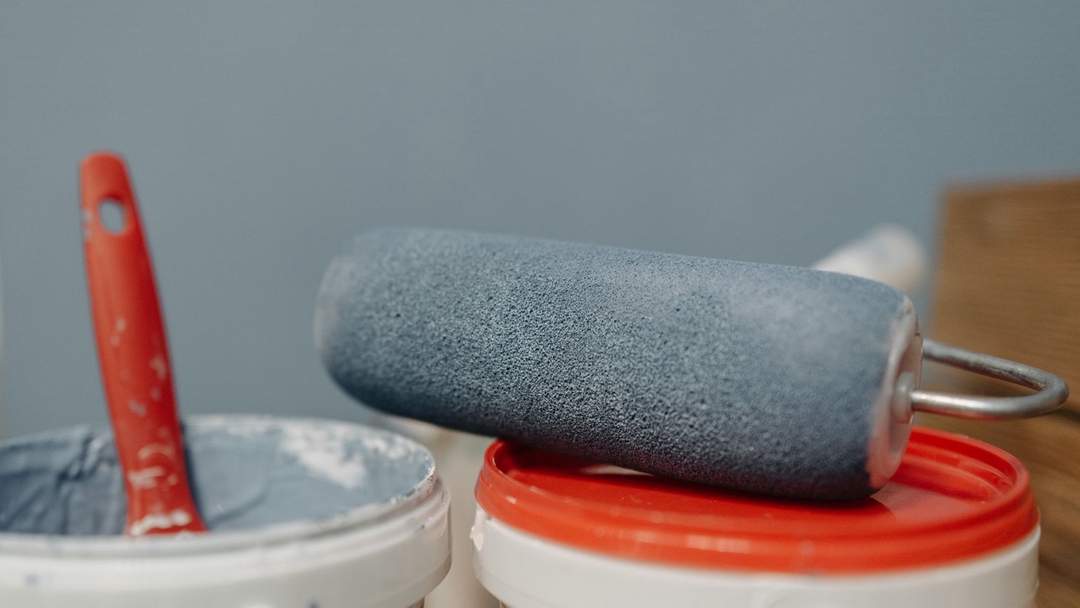
A good paint is the one that suits your surface and conditions. The same tin can last ten years on a wall and one winter on an iron gate. Choosing starts with four questions: what the surface is, where it stands, how much wear it takes and how the paint will be applied.
Four questions before you buy
What is the surface? Plaster and drywall, wood and MDF, bare steel, galvanised steel and aluminium, plastic. Each needs its own primer and paint.
Where does it stand? Indoors or out, in sun and rain, in a damp bathroom or next to a hot stove. Sun and frost wear paint very differently from room air.
How much wear does it take? Walls are rarely touched, doors and handrails every day, floors and cars even more.
How will it be applied? Brush, roller, spray gun or aerosol. Thick paint is thinned for a spray gun, while aerosols suit small areas.
Paint types at a glance
Water-based acrylic paint is for walls and facades: it dries fast, has almost no smell, tools wash out in water and the wall can breathe. The same family includes water-based finishes for interior wood.
Synthetic (alkyd) paints and enamels are for metal and wood: they form a hard, glossy film but dry slowly, smell and need thinner for cleaning.
Polyurethane paint with a hardener is for furniture, doors and cars: it resists wear, chemicals and scratches best.
Nitro paint dries fast and is used in furniture production, but is less durable than polyurethane.
Heat-resistant paint is for stoves, pipes and engine parts and withstands up to 650 °C.
Surface by surface
Interior walls. Water-based acrylic matt paint, with primer first on new or chalky walls. Damp rooms need an anti-mould additive. See paints.
Facades. Facade acrylic paint that stands up to rain and sun and lets vapour out, so moisture does not build up in the wall.
Wood and furniture. Water-based or polyurethane paint indoors; on MDF use an MDF primer first, as its edges are very absorbent. To keep the natural grain, choose lacquer or oil instead of paint.
Bare steel. Remove rust, apply an anti-corrosion primer, then a synthetic enamel. Galvanised steel and aluminium need a special adhesion primer; ordinary primer peels off them.
Plastic. Plastic primer, then paint. For bumpers, a flexible paint or an elastic additive keeps the coat from cracking on impact.
Cars. A system: filler, filler primer, base coat and 2K clear coat, or an aerosol for a small spot. Car paint is a world of its own, and a single maker's system is always the better choice.
Why a good brand is not enough
Paint does not work without the right primer and thinner. An expensive enamel put on rusty steel without primer peels within a year, while a modest one in the right system lasts for years. So do not buy a single tin: ask for primer, paint and thinner from one system.
The label always gives coverage per square metre, drying time, recoat interval and application temperature. Two coats are usual, and the temperature should not be below 10 °C. If you are unsure of the colour, paint a small sample first and look at it in daylight and in the evening.
Where to find it
Tinned paints are on the paints page, aerosols on the spray paints page and primers on the primers page. Acrylic paint is explained in a separate article, and primer in What Primer Does.
Frequently asked questions
Which paint is best for walls?
Indoors, a water-based acrylic matt paint: it dries fast, has almost no smell and lets the wall breathe. In damp rooms choose one with an anti-mould additive, and on facades a facade paint.
Which paint should I use on iron?
Remove the rust, apply an anti-corrosion primer, then a synthetic enamel. Without primer, rust keeps spreading under the paint and the coat peels.
How many coats of paint do I need?
Usually two. The first covers the surface, the second evens out colour and durability. Going from dark to light or painting a new wall may take a third.
What is the difference between acrylic and synthetic paint?
Acrylic paint is water-based, dries fast and does not yellow. Synthetic paint is solvent-based, harder and glossier, but dries slowly and smells. The first is for walls, the second for metal and wood.