Blog · · 3 min read
How to Fill Dents and Cracks with Filler
Updated
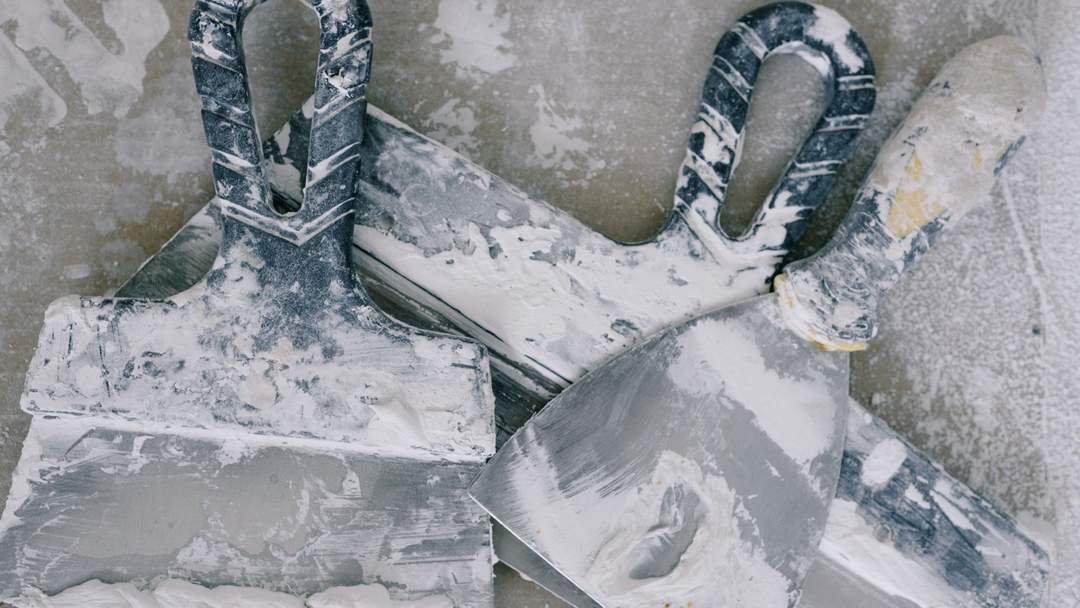
Filler is a paste that fills dents, holes, cracks and unevenness so the surface is level before painting. It gives shape, not protection: primer and paint always go on top. Car body filler, wood filler and wall filler are three different materials and cannot stand in for each other.
Body filler: resin and hardener
Car body filler is a polyester resin with talc that cures with a hardener paste. It takes very little hardener, usually 2 to 3 percent of the filler's weight, a single strip across a golf-ball-sized lump. The colour must change evenly: a streaky mix stays soft in places.
More hardener does not speed things up: it leaves pinholes in the filler, which later show as stains under the paint. Too little leaves the layer soft and clogs the sandpaper. Mixed filler gives you only a few minutes of working time, so mix small batches.
Which filler for which damage
Fibreglass filler is for deep dents and small holes: the fibres make it strong and it does not sink. It is hard to sand, so it is not taken up to the final level.
Universal filler is the main layer for medium unevenness, including lightweight types that sand easily.
Finishing filler is the finest and goes on last to close pinholes and sanding marks. Liquid and nitro fillers go on thinly with a brush or spray gun.
Plastic filler stays flexible and does not crack off a bumper when the part bends. Aluminium-filled filler withstands heat on metal, and carbon filler gives the hardest layer where loads are high.
See fibreglass, universal, finishing and plastic fillers.
Where to apply it and where not
Filler goes on bare metal sanded with P80, or on epoxy primer. On etch primer, crumbling old paint or rust it comes loose over time. Clean the surface of grease and silicone first.
Keep layers thin. One thick layer cures badly inside and may sink, so a deep spot is filled in several thin layers, each once the previous one has cured. Press hard on the first pass of the spreader so the filler grips the metal and no air is trapped.
How to sand it
Cured filler is sanded with a block or a machine: P80 first for shape, then P120 to P180, and P240 to feather the edges. Sanding by hand without a block leaves the surface wavy. A guide coat shows where hollows remain.
Polyester filler is never sanded wet: it absorbs water, and the moisture later rises as blisters under the paint. It is followed by a filler primer that covers the sanding scratches. Which grit belongs to which stage is in a separate article.
Wood filler
Wood filler comes in wood shades such as oak, pine, walnut and mahogany. It fills nail holes, cracks and knots. Once dry it is sanded with P120 to P180. Its colour shifts slightly under lacquer, so test it on an offcut first. See wood fillers.
Frequently asked questions
What is filler?
A paste that fills dents, holes and cracks before painting. Car body filler is polyester resin with a hardener; wood filler is a wood-coloured paste.
How much hardener does body filler need?
Usually 2 to 3 percent of the filler's weight. More causes pinholes and stains, less leaves the layer soft. The exact ratio is on the label.
How soon can filler be sanded?
At room temperature in about 20 to 30 minutes, later in the cold. If the paper clogs, the filler has not fully cured.
Can filler be sanded wet?
No. Polyester filler absorbs water, and the moisture later rises as blisters under the paint. Filler is always sanded dry.