Blog · · 3 min read
How to Apply and Remove Silicone Sealant
Updated
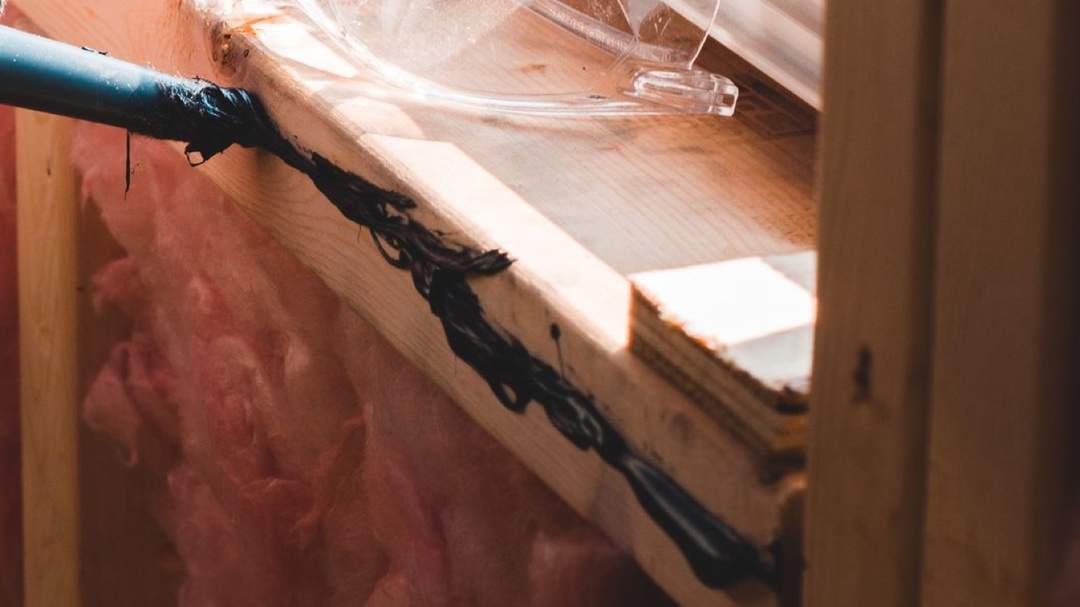
Silicone is a sealant that fills joints and gaps and keeps water and air out. In the tube it is a paste; in the air it reacts with moisture and turns into a rubber that stays flexible for years. That is why it is used wherever two materials move against each other: glass and frame, sink and wall, the panes of an aquarium.
Which silicone goes where
Acetoxy silicone smells of vinegar. It cures fast and bonds well to glass and ceramics, but can damage some metals, natural stone and mirror backing.
Neutral silicone has no smell and is safe on metal, stone, plastic and PVC.
Sanitary silicone contains an anti-mould additive for bathrooms and kitchens. Aquarium silicone is the opposite: it contains no such additive, so it cannot harm fish, and it withstands constant water pressure.
One thing to know before you start: paint does not stick to silicone. If the joint will be painted, choose an acrylic or polyurethane sealant. Polyurethane sealant is made for car body seams: it stays flexible, withstands vibration and can be painted.
How to lay a clean bead
Surface. Dry, clean and free of grease. New silicone will not bond to old silicone residue.
Tape. Run masking tape along both edges of the joint for a straight line.
Joint size. The joint should be about twice as wide as it is deep. In a deep gap, push in a foam backer rod first, so the silicone bonds only to the two sides and not the bottom: silicone stuck on three sides tears when the joint moves.
Application. Cut the nozzle at 45 degrees to the joint width, move the gun forward steadily and push the silicone into the joint rather than laying it on top.
Tooling. Smooth it with a wet finger or a spatula before a skin forms, usually within 5 to 15 minutes. Remove the tape straight away.
How long silicone takes to cure
The surface skins over within minutes, but the silicone cures slowly inside, typically about 2 mm per day. A thick bead takes several days. Cold and dry air slow it down, because silicone cures with moisture from the air. Fill a bath or aquarium only after full cure; the exact time is on the tube.
How to remove old silicone
Cured silicone does not dissolve in solvents, so removing it is mechanical work. Cut along both edges of the joint with a sharp blade and pull the silicone out in a strip. Soften the thin film left on the surface with a silicone remover, scrape it off with a plastic scraper and finish with a degreaser.
For a car painter, silicone is the worst enemy. Even a trace leaves craters in the paint, which is why every paint job starts with a silicone remover and degreaser.
On hands, wipe wet silicone off with a dry cloth first, then with a little oil or hand cleaner. Cured silicone peels off the skin on its own. Do not use solvents on your skin.
Where to find it
Silicones and sealants are on the sealants page, and removers and silicone remover on the cleaners page.
Frequently asked questions
How long does silicone take to dry?
The surface in a few minutes, the inside at about 2 mm per day. A thick bead needs several days, longer in the cold.
How do I remove silicone?
Cut it with a sharp blade and pull it out in a strip, soften the residue with silicone remover and scrape it off, then clean with a degreaser. Cured silicone does not dissolve in solvent.
Can silicone be painted?
No, paint does not stick to silicone. If the joint will be painted, use an acrylic or polyurethane sealant.
How do I get silicone off my hands?
Wipe wet silicone off with a dry cloth, then wash with a little oil or hand cleaner. Cured silicone peels off by itself.